









Millions are suffering. We see it in family, friends and those that turn to the Church with emotional and mental pain. But too often the Church lacks the tools and confidence to respond.
50,000+ Christian clinicians. Proven models. Centuries of precedent. The opportunity is to connect what works and equip the Church at scale: grounded in Scripture and informed by neuroscience.
“He has sent me to bind up the brokenhearted, to proclaim freedom for the captives and release from darkness for the prisoners.”
ISAIAH 61:1Let’s chat
We’d love to walk you through the strategy behind the fund. Join us for a next-step conversation designed for prospective givers.
Millions are suffering. The Church wants to help, but too often lacks tools and confidence to respond.
Every day, people bring depression, anxiety and trauma to their church. Congregations want to help. But pastors and church members often lack the training, theologically grounded resources and the trusted relationships with clinicians to know what to do next. The Church is not always the last stop — some needs require a professional — but it can be a confident front door. For centuries this was core to the work of the church. Our aim is to reclaim that role.
A small number of pastors are confident in addressing mental health needs.
of attenders don’t see their pastor as a source of information on mental health.
Clergy screen positive for complex depression at the same rate as the general population.
Clergy are twice as likely to be a victim of childhood sexual abuse.
Real People. Difficult Questions. Where do they go?

This is not abstract. These needs show up in a pastor’s office, a small group or a conversation after worship. They come from people trying to make sense of their pain and take the next step.
A teenager tells her youth leader she can’t stop thinking about hurting herself.
Where should she go?
A husband admits to his small group leader that depression is taking over his life. He prayed about it. He feels guilty that it hasn’t gone away.
Where should he go?
A woman finally tells someone at church about trauma she has carried for years. She wants healing, but she doesn’t know whether she needs a pastor, a counselor—or both.
Where should she go?
A parent walks into a pastor’s office worried about a child who hasn’t been himself for months. The pastor cares deeply. He wants to help. But he doesn’t know what he’s looking at, so he tells the parent he will pray for them.
Where should they go?
The Church already has something incredibly difficult to build: trust. People come. Relationships exist. They tell someone their story.
The gap is what happens next.
Church leaders need trusted tools to recognize what may be happening, confidence to respond within their role, and a trusted network of professionals for the moment when needed.
Led by Theology and Supported by Science
Church leaders need theologically grounded, practical tools and trusted guidance to respond with understanding and connect people to appropriate care. They find themselves wrestling with difficult questions.
What does “be anxious for nothing” mean for someone living with anxiety?
How do we talk about forgiveness with someone who has experienced trauma?
When does someone need professional counseling, and how do we help them find it?
Pastors need care, too.
Pastors carry their own experiences of pain and trauma alongside the needs of their congregations. Yet many hesitate to seek the same counseling they recommend to others.
Equipping churches to care for mental health also means helping pastors receive care themselves. They need places to speak honestly, support they can trust and room to attend to their own well-being.
Strengthen the Shepherds. Equip the Church. Connect to Help That Works.
Here is what makes this solvable: the church is not short on relationships. It is short on capability. The church has a strong foundation to build on: relationships. People gather, build trust and walk alongside one another through difficult seasons of life.
With training, resources and stronger connections to clinicians, churches can build on that foundation. They can become better prepared to recognize mental health needs, respond with compassion and help people find the care they need.
We’re not trying to replace America’s mental health system or add another program to a crowded field. We’re building the bridge between hurting people and the churches they already trust.
That means giving churches trusted tools to recognize what’s in front of them, know how to respond, and understand when it’s time to bring in professional help along with a trusted network of people to call when that moment comes.
We’re still early, but we see three areas with the potential to create lasting, scalable impact.
Heal the people we are asking to begin the journey.
A church cannot give what it does not have. Pastors are already absorbing their congregations’ pain, usually without training for it and often while carrying their own unaddressed history. Clergy cohorts in emotional maturity and integrated counseling, real peer networks, and care that pastors will actually accept are the foundation everything else rests on. Get this wrong and nothing above it holds. Get it right and every other investment compounds through a leader who is well.
Trusted tools leaders can use. Practical care churches can deliver.
Pastors need credible answers to the questions above — written for a Tuesday afternoon rather than a seminary library, and contextualized to their own tradition. They need to know when to walk alongside someone and when to hand off. And they need trained lay listeners, a model proven in clinical trials and still rare in American churches.
This has already worked in specific places. South Florida built a soul care model. San Antonio has a congregational collective. Saddleback built lay counseling at scale; Celebrate Recovery reached more than 35,000 churches. These are real and they work. What has not happened is national replication — because no one has funded it.
Build the bridge between the pew and the professional.
There are more than 50,000 Christian mental health providers in this country, and a pastor at nine o’clock on a Sunday night, where do they turn and who can they trust? The people exist. What’s missing is the connective tissue: trusted referral pathways between churches and clinicians, shared language, and confidence that the person on the other end understands both clinical excellence and theological conviction.
We don’t have to build the network from scratch. With relatively light coordination, shared standards and trusted tools, we can connect what already exists—and dramatically accelerate trust.
The Mental Health Gap Fund is designed to balance two priorities that are often in tension: measurable outcomes and long-term movement building. We believe this moment requires both. We define winning as the point where this stops being a special initiative and becomes ordinary church practice again: by 2035, a church the hurting can go to and find help that works.
We Measure:
Churches Equipped with Trusted Diagnostic Tools
A church is equipped when its leaders have simple, trusted tools to understand what someone may be experiencing and identify the right next step. For some, that may mean a trusted course, group or resource the church can provide. For others, it means recognizing when the need is more serious and connecting them quickly to a trusted professional. We measure churches equipped with these tools, people connected to the right level of care, and proven courses and models replicated across communities. The goal is simple: when someone asks the Church for help, the Church knows what to do next.
Cost Per Clinician Certified and Trained
A clinician is certified when they hold clinical excellence and healing depth together: someone a pastor can send a person to without worrying that faith will be treated as a symptom, or that a clinical need will be treated as a failure. We are not producing new clinicians. We are equipping the ones already practicing: continuing education, supervised hours, and certification in theological integration for licensed professionals who already carry a caseload.
Cost Per Clinician Connected
A clinician is connected when they are listed somewhere a pastor can turn, vetted by someone the pastor already trusts, so we measure clinicians pastors act on. This is a critical step in the chain and underfunded. The clinician already exists, already practices, already has capacity. How can we help create more of the right introductions?
Members of each fund receive quarterly reports and updates, providing visibility into the progress and activities of the fund. Initial allocations will be announced here.
Behind every statistic is a person who asked their church for help.
The Mental Health Gap Fund
Solving the World’s Greatest Problems Family of Giving Funds unite world-class portfolio management with the Faith Driven content and community you trust—transforming generosity into impact.
God calls us to radical generosity—not obligation, not guilt, but an invitation to the joy-filled adventure. You want to give. You want to rally around a cause that matters. But most of us don’t have the time or network to evaluate thousands of ministries or strategies. That’s why we are building collaborative giving funds—uniting community, expertise, and capital to pursue solutions together.


Thrilled to recognize that Pinetops Foundation and WinShape Foundation are catalytic partners who help shape, launch, and steward the mission of this fund from the beginning.
Co-Founders don’t simply give towards covering the operational expenses of the fund. They lend conviction and collaboration to the work, helping align people, resources, and strategy around a shared problem to be solved. As partners in the fund’s formation, Co-Founders are members of the Investment Committee. They champion the vision, and invite others into a collective effort designed for lasting impact.
If you are interested in becoming a Co-Founder of this or another SWGP Fund please contact us at team@solving.org.
Learn MoreWe are committed to excellence and transparency, which is why we engage independent third-party organizations, including Calvin Edwards & Company, All Access International, and Brightlight Impact, to evaluate our work. Every two years, each fund undergoes an external review made available to prospective donors and partners. This review outlines the fund’s theory of change, portfolio analysis, governance, operations, and grantmaking practices. It also reviews investment activity and verifies the accuracy of reporting, ensuring donors can give with confidence and clarity.



Investment Committee


Board of Advisors


Solving the World’s Greatest Problems Leadership Team
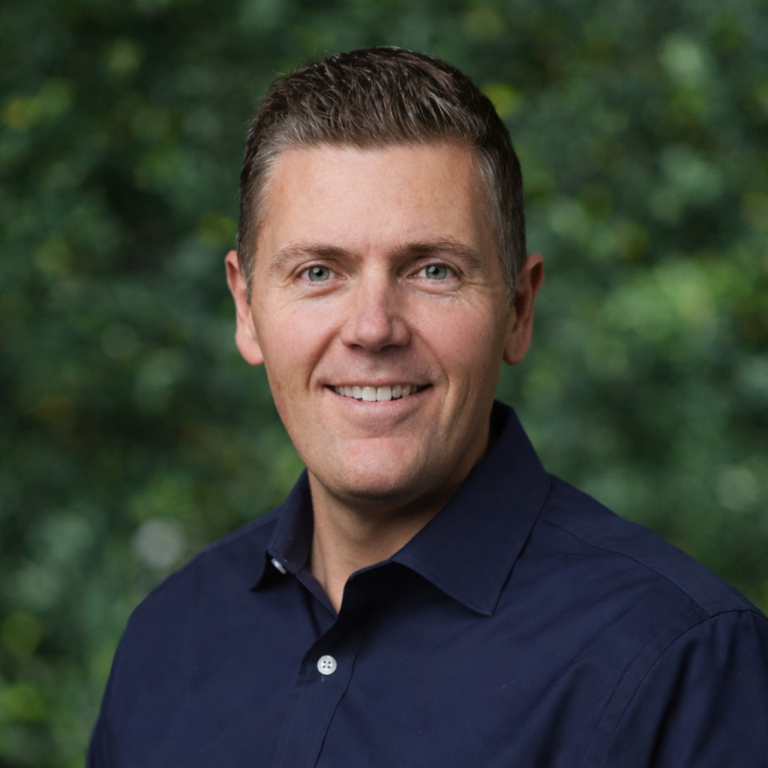
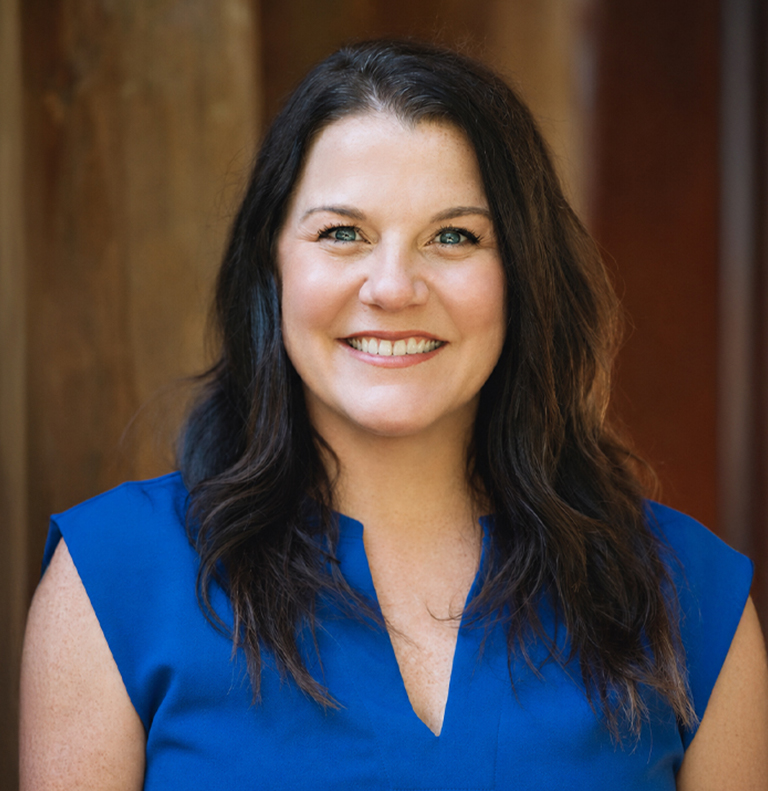
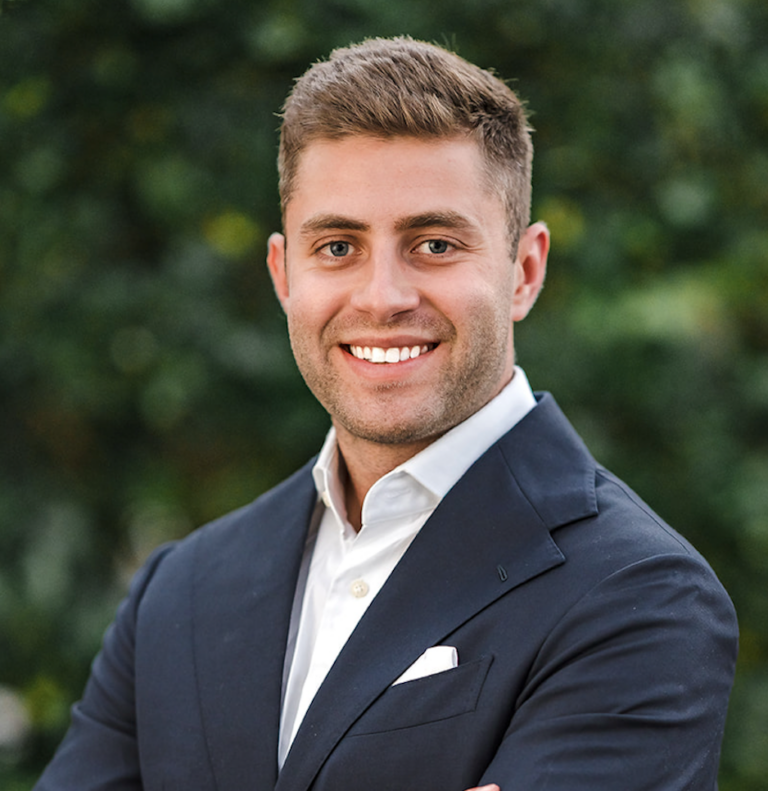
We feel humbled by the opportunity to support this movement behind the scenes. This Leadership Team has a unique combination of proven scale in Content, Community and Funds.




Transfer from your DAF
The Solving the World’s Greatest Problems Giving Funds will be hosted through a Donor Advised Fund (DAF). Contributions can be made directly or from an existing Donor Advised Fund at trusted partners like:
Behind every fund is a group of people who decided that caring wasn’t enough. You want to give and a cause to rally around, but busy lives don’t leave much room to be intentional. No one was built to do this alone. This is where you find your people, and where generosity becomes something you do together.
A free, five-session course to find your why, discern your where, and build a plan for how you, your family, or your business will give. No cost. No catch.
Start the CourseLive, 90-minute Fund Premier Events, one problem at a time, with the entrepreneurs, investors, and ministry leaders already in the fight. Come to learn and feel free to bring a few friends.
See Upcoming EventsPartner Summits are invitation-only gatherings for Champions and Partners: about 50 to 60 givers, fund managers, and problem solvers in one room for deeper relationships and real collaboration.
Explore In-Person EventsA growing community of families and organizations is already giving together. There’s a place in it for you.
Become a MemberStories that started with givers like you
Follow the fund. See what your generosity is changing.
One email when it matters: new deployments, measured results from the models the fund backs, and stories of churches connecting the people in their pews to the care they need. No noise, ever.

