










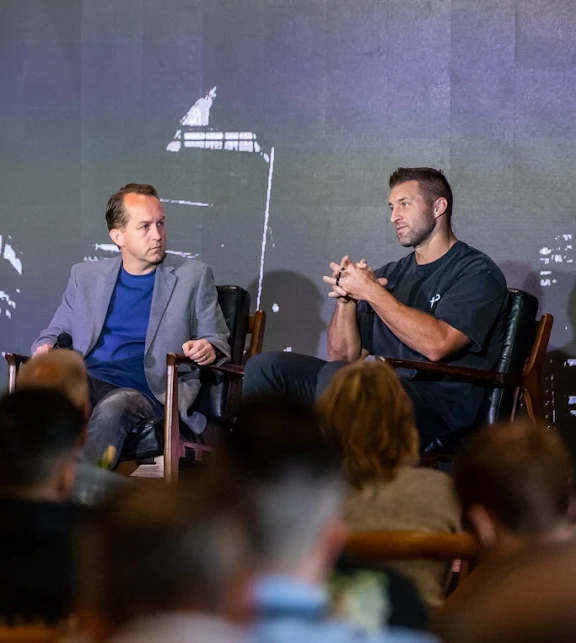



Tens of millions are hurting. We see it in our family, our friends and those that turn to the Church carrying emotional pain, mental illness, or trauma.
Almost everyone–pastors, churchgoers, those in need, even the wider culture–wants the church to help, but believes it is not yet equipped to help well.
The LegacyThe early church formed and cared for the hidden inner life through the 19th century, believing mental health was not lack of faith but part of dignity and care for the whole person.
Centuries of precedent. Care grounded in Scripture and shaped by sound clinical practice. Local models to study regionally and grow nationally. Trusted Christian clinicians, and a pipeline to raise up more. A culture where those who suffer find belonging. A coalition committed to the long work together.
“He has sent me to bind up the brokenhearted, to proclaim freedom for the captives and release from darkness for the prisoners.”
ISAIAH 61:1Let’s chat
We’d love to walk you through the strategy behind the fund. Join us for a next-step conversation designed for prospective givers.
Tens of millions are hurting. Many turn to the Church, but it is often not prepared to help.
Every day, people bring depression, anxiety and trauma to their church. Congregations want to help. But pastors and church members often lack the training, theologically grounded resources and the trusted relationships with clinicians to know what to do next. The Church is not the clinic, but it can know how to accompany those who suffer–and when accompaniment is not enough. Care runs along a spectrum–the church needs to know how to discern where someone is on that spectrum and who to call next. Mental illness is not a sin. It is suffering—and the church is called to compassion. For centuries this was core to the work of the church. Our aim is to reclaim that role.
A small number of pastors feel their church can address mental health needs.
of Christians think their pastor can give useful guidance about anxiety or depression.
Clergy screen positive for complex depression at the same rate as the general population.
Clergy are over twice as likely to have experienced childhood sexual abuse.
Real People. Difficult Questions. Where do they go?

This is not abstract. These needs walk through church doors every week, even now. They come with people trying to make sense of their pain, hold on to their faith and take the next step.
A teen tells her youth leader she can’t stop thinking about hurting herself. She feels ashamed and wonders whether she still belongs at church.
Where should she go?
A pastor is struggling with depression and feels like his marriage is unraveling. He’s afraid to tell his elder board.
Where should he go?
A woman finally tells someone at church about trauma she has carried since childhood. She wants healing and help, has no idea where this sits with her faith, and doesn’t know who to ask.
Where should she go?
A parent walks into a pastor’s office worried about a child who hasn’t been himself for months. The pastor cares deeply. He prays with them. But he doesn’t know what else to say–or who to call next.
Where should they go?
The Church has already built something difficult: relationships. People come. They might tell their story to a kind listener. But many who are hurting want to trust the church and are not yet sure they can. But trust has to be earned, not assumed.
The gap is what happens next.
It’s worth noting, this site is designed to donate and contribute to the work. If you or someone you love is in crisis, call or text 988 (Suicide & Crisis Lifeline).
Led by Theology and Supported by Science
Everything we do is grounded in a rich, historically orthodox understanding of loving God with our whole selves–including the hidden, hurting places of our inner lives. This is not a program, it is true discipleship–neither a cure, nor a preventative, but a way to meet God faithfully in the hurt.
Church leaders need theologically grounded, practical resources to be able to discern what may be happening, what may be needed, who to call, and how to continually support as they connect people to appropriate care.
Leaders often find themselves wrestling with difficult questions.
What does “be anxious for nothing” mean for someone living with anxiety?
How–or do–we talk about forgiveness with someone who has experienced severe trauma?
When does someone need professional counseling—and how do we help them find it?
How do we speak thoughtfully about sin, shame, and mental illness without confusing the three?
Pastors need care, too.
Pastors cannot give what they do not have.
Theirs is a high-stress profession, and many carry their own experiences of pain and trauma alongside the needs of their congregations. Yet many hesitate to seek the same counseling they recommend to others.
Equipping churches to care for mental health starts with pastors. As they find wise counsel, trusted support, and room to tend their own souls, pastors can model emotionally and mentally healthy discipleship for their congregations. Healthy pastors, healthy churches.
Equip the Church. Strengthen the Shepherds. Connect to Care. Shift the Culture. Lead Together.
With training, resources and stronger connections to clinicians, churches can build on those relationships. They can become better prepared to recognize mental health needs, respond with compassion, and resource people to the care they need.
We’re not trying to replace America’s mental health system or add another program to a crowded field. We’re helping the church care for the whole person, building the bridge between hurting people and a church equipped to help.
We’re still early, but we see five areas with the potential to create lasting, scalable impact–all undergirded by sound theology and informed care.
Trusted tools leaders can use. Practical care churches can deliver.
Without the theological grounding and credible answers, everything unravels and disintegrates. Pastors need credible answers to the questions above — written for a Tuesday afternoon rather than a seminary library, and contextualized to their own tradition.
That starts with pastors, theologians, and clinicians working together to fill the gaps in how we talk about faith and mental health. They need to know how to walk alongside someone and when to refer. And they need trained lay listeners: everyday church members equipped to offer real front-line support.
This is beginning to work in specific regions. San Antonio’s Congregational Collective is equipping churches as frontline hubs for mental wellness. St. Louis and Houston have trained hundreds of churches to care well and refer wisely. Saddleback trains lay counselors to care for its own community. Celebrate Recovery shows what one trusted model can do: 35,000+ churches. These are real and they work. What has not yet happened is a shared national effort to multiply models that work — because no one has funded it.
There is pain in the pulpit as well as the pews.
Pastors are already absorbing their congregations’ pain, usually without training for it and often while carrying their own unaddressed history. Clergy cohorts in emotional maturity and integrated counseling, real peer networks, and care that pastors will actually accept are the foundation everything else rests on.
We know it works. In South Florida, a Soul Care network served 1,000+ pastors and their families over a decade. The next step–study, pilot, and scale it. Get this wrong and nothing else holds. Get it right and every other investment grows through an emotionally and mentally healthy leader.
At nine o’clock on a Sunday night, where do pastors turn for referral–and who can they trust?
There is no single, trusted place to find Christian clinicians who integrate faith with clinical care. What’s missing is the network: trusted referral pathways between churches and clinicians, shared language, and confidence that the person on the other end understands both clinical excellence and theological conviction.
And the need is growing.
Demand for mental health care is projected to far exceed supply over the next decade. In addition to increasing the strength of the network, we must increase the number of trusted clinicians—growing the number and network of Christian counselors who integrate theological rigor with evidence-based practice.
That means expanding integrated degree programs, offering continuing education to practicing clinicians, and strengthening referral portals so the right counselors are easy to find. Together, these build a trusted bridge from church to clinic and back again. With shared standards and patient collaboration, we can build connections and earn trust over time.
We don’t have to build everything from scratch. With shared standards, trusted tools, and patient collaboration, we can connect what already exists—and earn trust over time.
Make room for honest struggle.
Too many feel they have to hide their pain at church. But mental health is not an “out there” kind of problem; it is an “in here” kind of need.
We want emotional maturity and mental wellbeing to be valued as part of our everyday walk with God—so those who suffer find welcome and belonging, and the mindset shifts from “them” to “us.” That means valuing each other’s healing journey, celebrating pastors and churches doing this well, and modeling a whole-hearted life with Christ for the next generation.
No one can do this alone.
It will take an aligned coalition of ministry leaders, theologians, clinicians, researchers, and funders committed to the patient work of lasting change to return the church to our historic witness of soul care. This happens through shared aims, shared learning, and openness about our values and how we measure progress. It’s anchored in sound theology, rooted in a rich, historically orthodox understanding of the whole person. It stays teachable–measuring what works, listening to those who suffer, and learning from those who serve well. And, it welcomes what science teaches us about ourselves that we may love God more fully. All truth is God’s truth.
This Fund is designed to balance two priorities that are often in tension: measurable outcomes and long-term movement building. We believe this moment requires both. We define winning as the point where this stops being a special initiative and becomes, once again, the ordinary life of the church. By 2035 we would be a church that helps all who are hurting find belonging, wholeness, and healing in their walk with Jesus.
We Measure:
Churches Equipped with Trusted Care Pathways
We measure availability of churches equipped to connect people to the right level of care, and proven models grown across communities.
The goal is simple: when someone asks the church for help, the church knows what to do next.
Pastors Strengthened
Healthy churches are led by healthy pastors, and a pastor cannot give what he does not have. We measure pastors in clergy care cohorts and peer networks, their self-reported well-being over time and the health of their churches.
Clinicians Trained and Connected
We start by equipping the clinicians already practicing while helping raise up the next generation of Christian clinicians. We measure practicing clinicians trained in theological and clinical integration, new Christian clinicians raised up through integrated degree programs, and referrals that flow from church to clinic and back again.
Members of each fund receive quarterly reports and updates, providing visibility into the progress and activities of the fund. Initial allocations will be announced here.
For centuries, caring for the soul was the church’s ordinary work.
Somewhere along the way, it stopped.
Behind every statistic is a person who asked their church for help.
The Soul Care Fund
SWGP Giving Funds unite world-class charitable portfolio management with the Faith Driven content and community you trust, transforming generosity into impact.
God calls us to radical generosity—not obligation, not guilt, but an invitation to the joy-filled adventure. You want to give. You want to rally around a cause that matters. But most of us don’t have the time or network to evaluate thousands of ministries or strategies. That’s why we are building collaborative giving funds—uniting community, expertise, and charitable capital to pursue solutions together.


Thrilled to recognize that Pinetops Foundation and Chick-fil-A are catalytic partners who help shape, launch, and steward the mission of this fund from the beginning. Both have experienced the need for this conversation both corporately and personally. They are deeply committed to this work and helping people flourish.
Co-Founders don’t simply give towards covering the operational expenses of the fund. They lend conviction and collaboration to the work, helping align people, resources, and strategy around a shared problem to be solved. As partners in the fund’s formation, Co-Founders are members of the Investment Committee. They champion the vision, and invite others into a collective effort designed for lasting impact.
If you are interested in becoming a Co-Founder of this or another SWGP Fund please contact us at team@solving.org.
Learn MoreWe are committed to excellence and transparency, which is why we engage independent third-party organizations, including Calvin Edwards & Company, All Access International, and Brightlight Impact, to evaluate our work. Every two years, each fund undergoes an external review made available to prospective donors and partners. This review outlines the fund’s theory of change, governance, operations, and grantmaking practices. It also reviews investment activity and verifies the accuracy of reporting, ensuring donors can give with confidence and clarity.



Investment Committee


Board of Advisors


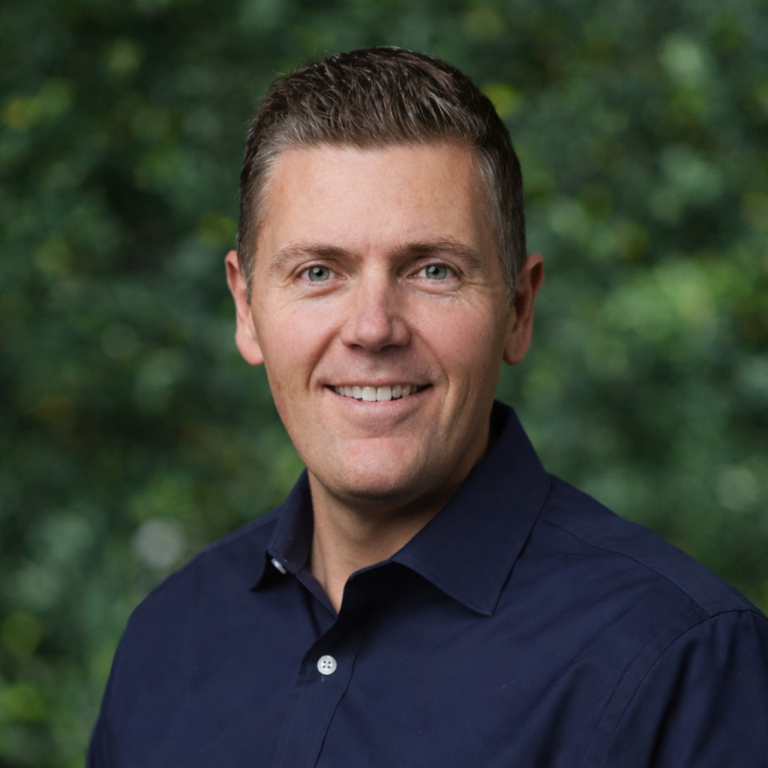
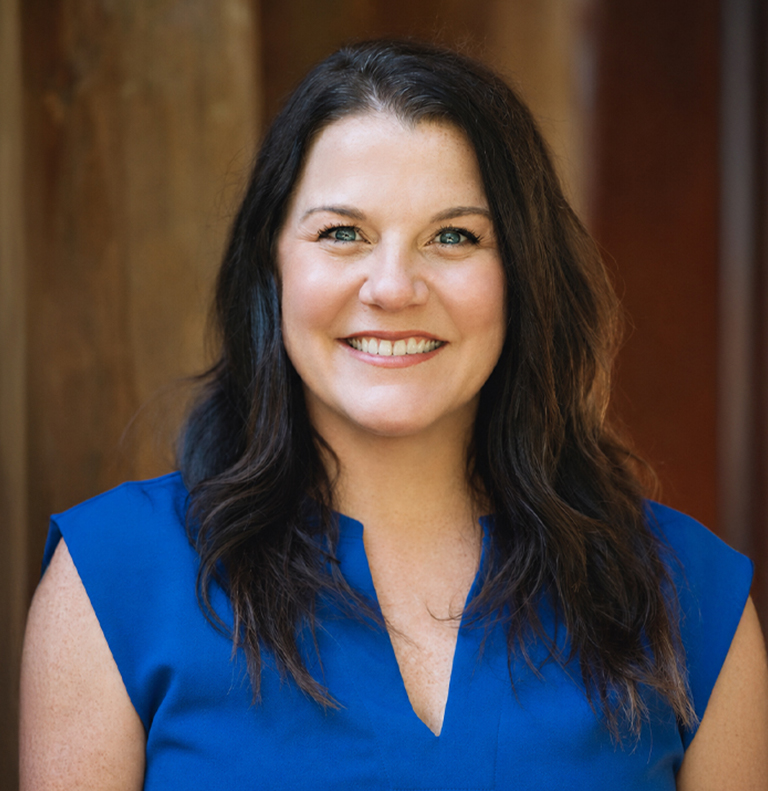
Solving the World’s Greatest Problems Leadership Team
We feel humbled by the opportunity to support this movement behind the scenes. This Leadership Team has a unique combination of proven scale in Content, Community and Funds.







Transfer from your DAF
You can contribute to the Solving the World’s Greatest Problems Giving Funds directly or through an existing Donor Advised Fund (DAF) at trusted providers such as:
Behind every fund is a group of people who decided that caring wasn’t enough. You want to give and a cause to rally around, but busy lives don’t leave much room to be intentional. No one was built to do this alone. This is where you find your people, and where generosity becomes something you do together.
A free, five-session course to find your why, discern your where, and build a plan for how you, your family, or your business will give. No cost. No catch.
Start the CourseLive, 90-minute Fund Premier Events, one problem at a time, with the entrepreneurs, givers, and ministry leaders already in the fight. Come to learn and feel free to bring a few friends.
See Upcoming EventsPartner Summits are invitation-only gatherings for Champions and Partners: about 50 to 60 givers, fund managers, and problem solvers in one room for deeper relationships and real collaboration.
Explore In-Person EventsA growing community of families and organizations is already giving together. There’s a place in it for you.
Become a MemberStories that started with givers like you
Follow the fund. See what your generosity is changing.
One email when it matters: new deployments, measured results from the models the fund backs, and stories of churches connecting the people in their pews to the care they need. No noise, ever.